
Promises2Kids
San Diego, California
Investment
Highlights
2026
Year
$29.3 million
Development Budget
$25 million
Allocation Sourced
617
People Served Annually
Client
Promises2Kids
Use of Allocation Capital
Real Estate Development
Promises2Kids has served children and youth impacted by the San Diego County foster care system since 1981. Its programs follow young people from the moment they enter the system through their transition into adulthood, offering behavioral health services, sibling reunification, educational and career support, and other wraparound services.
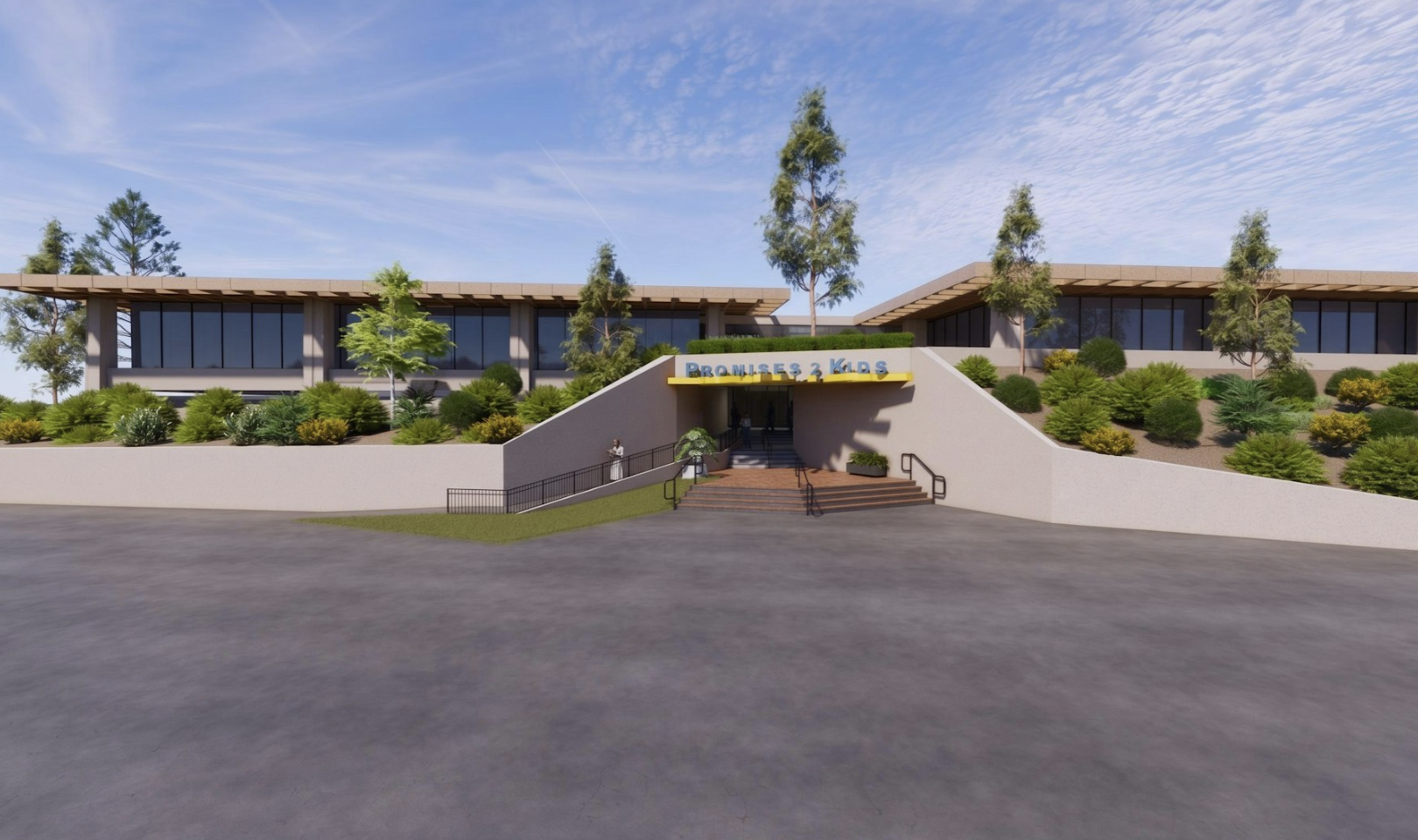
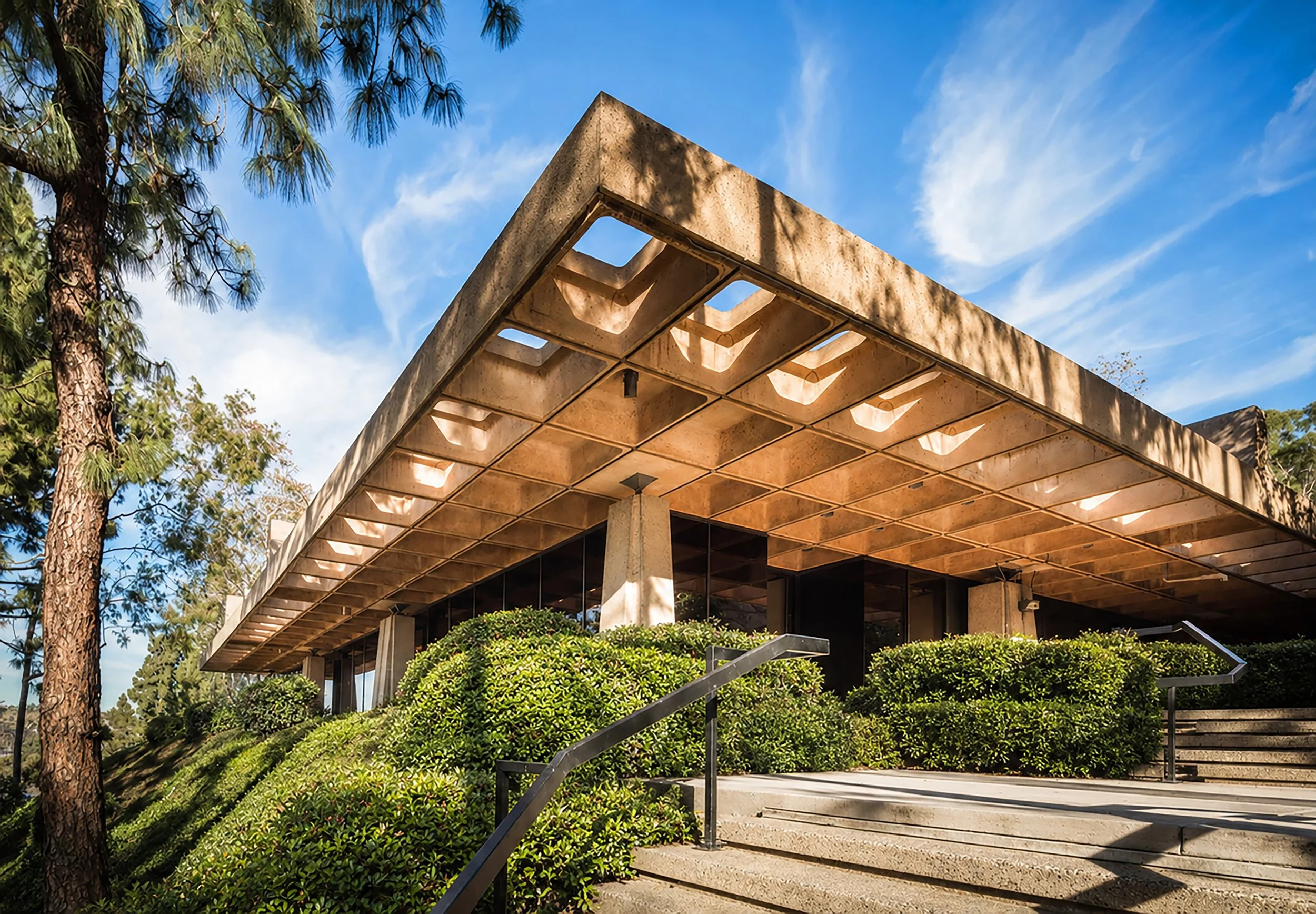
To expand services and impact, Promises2Kids acquired a 33,325 sq. ft. property and is renovating it to centralize the organization's programming and expand its capacity to serve foster youth.
The renovated facility is anchored by Promises2Kids’ new early childhood education center which serves children ages 0-5 in a county suffering from lack of access to affordable, high quality early childhood education programming. The new building will allow Promises2Kids to expand its offering of behavioral health services, including trauma-informed therapy and counseling, all offered at no cost. The new Promises2Kids facility will also house its workforce development program which connects foster youth to careers in healthcare, education, IT, construction, and other high-demand fields through job training, one-on-one case management, and partnerships with local employers. Upon completion, the building will offer community rooms for parenting classes, space for co-located partners serving foster families, and offices for mentorship and case management.
On behalf of Promises2Kids, Classic Lake secured $25 million in Federal New Markets Tax Credit allocation from Civic Community Partners, tax credit equity from US Bancorp, and debt financing from EntreBank.
Services Provided by Classic Lake:
New Markets Tax Credit Advisory
Community and Economic Impacts
Creates 40 construction jobs
Creates 16 new and retains 46 permanent full-time positions
Serves 617 individuals annually across early childhood education, behavioral health, and workforce development (100% low-income)
Establishes a 60-child early education center for children from birth to age five
Expands behavioral health capacity from 554 to 2,954 annual visits
Credit: Promises2Kids
Credit: Promises2Kids